How to Diagnose Allergies: A Complete Guide Using HOB LIA Allergy Reagent Kits
Allergies have become a major health concern worldwide, affecting children and adults alike. From seasonal sneezing to food-induced reactions, allergies can significantly impact daily life. Accurate diagnosis is the first and most important step in managing allergic conditions and improving patient outcomes.
Among the available diagnostic technologies today, Line Immunoassay (LIA) stands out as a reliable, sensitive, and comprehensive technique—especially for multi-allergen screening. The HOB LIA Allergy Reagent Kits, available in Food and Inhalant panels, offer a powerful solution for precise allergen identification.
Why Allergy Diagnosis is Important
Undiagnosed or misdiagnosed allergies can lead to:
- Recurring respiratory problems
- Gastrointestinal discomfort
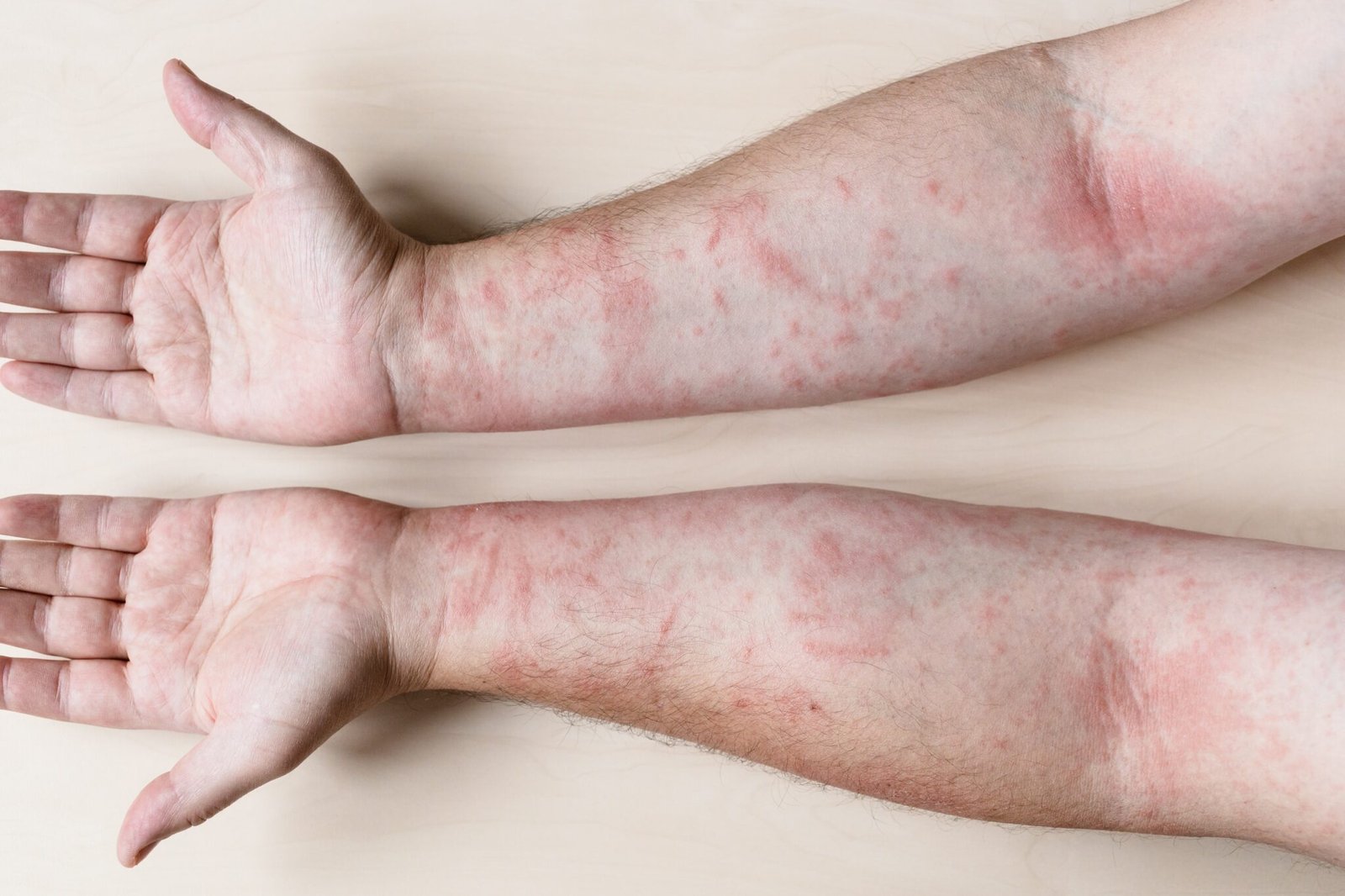
- Chronic skin issues
- Severe systemic reactions, including anaphylaxis
- Significant reduction in quality of life
A correct diagnosis helps clinicians achieve:
- Accurate allergen identification
- Tailored treatment plans
- Better monitoring of chronic allergic conditions
- Targeted allergen avoidance strategies
Common Methods to Diagnose Allergies
1. Clinical Examination & Patient History
The first step includes understanding the patient’s symptoms, triggers, lifestyle, and family history.
2. Skin Prick Test (SPT)
Although widely used, SPT is not suitable for all patients—especially those with dermatological conditions, children, or individuals on antihistamines.
3. Serum-Specific IgE Testing
Blood-based testing is safer, more reliable, and offers quantitative measurement of allergen-specific IgE antibodies.
This is where LIA-based allergy tests play a crucial role.
What is Line Immunoassay (LIA)?
Line Immunoassay (LIA) is an advanced in-vitro diagnostic technology used to detect allergen-specific IgE antibodies in human serum. It uses solid-phase lines coated with purified allergen extracts.
Key Advantages of LIA:
- High sensitivity and specificity
- Capability to test multiple allergens in one strip
- Easy interpretation using visual or densitometric scoring
- Suitable for food, inhalant, and environmental allergens
- Ideal for routine laboratory setup
HOB LIA Allergy Reagent Kits: A Complete Solution
The HOB LIA Allergy Panels are designed for accurate and comprehensive allergy profiling. They are available as:
✔ Food Allergy Panel
Includes common food allergens such as:
- Milk, Egg, Wheat, Soy
- Fish, Shellfish
- Nuts (Peanut, Walnut, Almond)
- Fruits and vegetables
- Gluten-containing foods
- Spices
…and many more.
✔ Inhalant Allergy Panel
Includes environmental allergens such as:
- Dust mites (D. pteronyssinus, D. farinae)
- Pollens (grass, weed, tree)
- Molds (Aspergillus, Alternaria)
- Animal dander (cat, dog)
- Cockroach allergens
…and many more.
These panels are designed based on regional allergen prevalence to ensure maximum clinical relevance.
How to Diagnose Allergy Using HOB LIA Allergy Reagent Kits
The diagnosis involves the following steps:
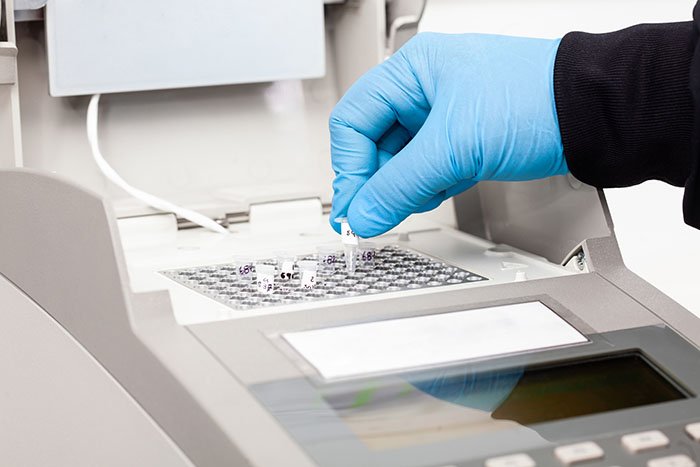
1. Sample Collection
- Collect 2–3 mL of venous blood (serum sample).
- Allow to clot and separate serum by centrifugation.
- The test uses serum-specific IgE.
2. Preparation of LIA Strip
- Select the appropriate strip (Food or Inhalant panel).
- Place it in the incubation tray as per the kit instructions.
3. Incubation with Patient Serum
- Add diluted patient serum onto the strip.
- During incubation, allergen-specific IgE (if present) binds to the allergen lines.
4. Washing Steps
- Unbound components are washed away to ensure test specificity.
5. Addition of Enzyme-Conjugate
- Enzyme-labelled anti-human IgE binds to the IgE–allergen complexes.
- Ensures sensitivity of the assay.
6. Substrate Development
- Add substrate to visualize the lines.
- Allergen lines appear with intensity proportional to IgE concentration.
7. Interpretation of Results
Results can be interpreted:
- Visually using the intensity scale
- Densitometrically using a strip reader for more precision
Results are reported semiquantitatively in class levels (0–6 or 0–4 depending on kit).
Clinical Significance of Using HOB LIA Allergy Kits
✔ Comprehensive Multi-Allergen Screening
One strip includes a wide range of allergens for quick diagnosis.
✔ High Sensitivity & Specificity
Detects even low levels of allergen-specific IgE.
✔ Easy-to-Use Format
Ideal for small to medium diagnostic laboratories.
✔ Supports Both Food & Inhalant Allergy Diagnosis
Helps clinicians manage respiratory, dermatological, and gastrointestinal allergy cases.
✔ Cost-Effective & Reliable
Compared to multiple single tests, LIA panels save time, cost, and resources.
When to Recommend LIA Allergy Testing?
- Recurrent respiratory symptoms (sneezing, cough, wheezing)
- Suspected food allergies
- Eczema or chronic urticaria
- Seasonal or perennial allergic rhinitis
- Asthma with suspected allergic triggers
- Unexplained GI issues
- Pediatric allergy evaluation
Conclusion
Allergy diagnosis is essential for effective patient care, and HOB LIA Allergy Reagent Kits offer a scientifically robust, comprehensive, and convenient method for identifying specific allergen sensitivities. With dedicated Food and Inhalant Panels, these kits support clinicians and laboratories with a high-quality, reliable solution for complete allergy profiling.
Accurate diagnosis leads to better treatment—and better quality of life for patients.